
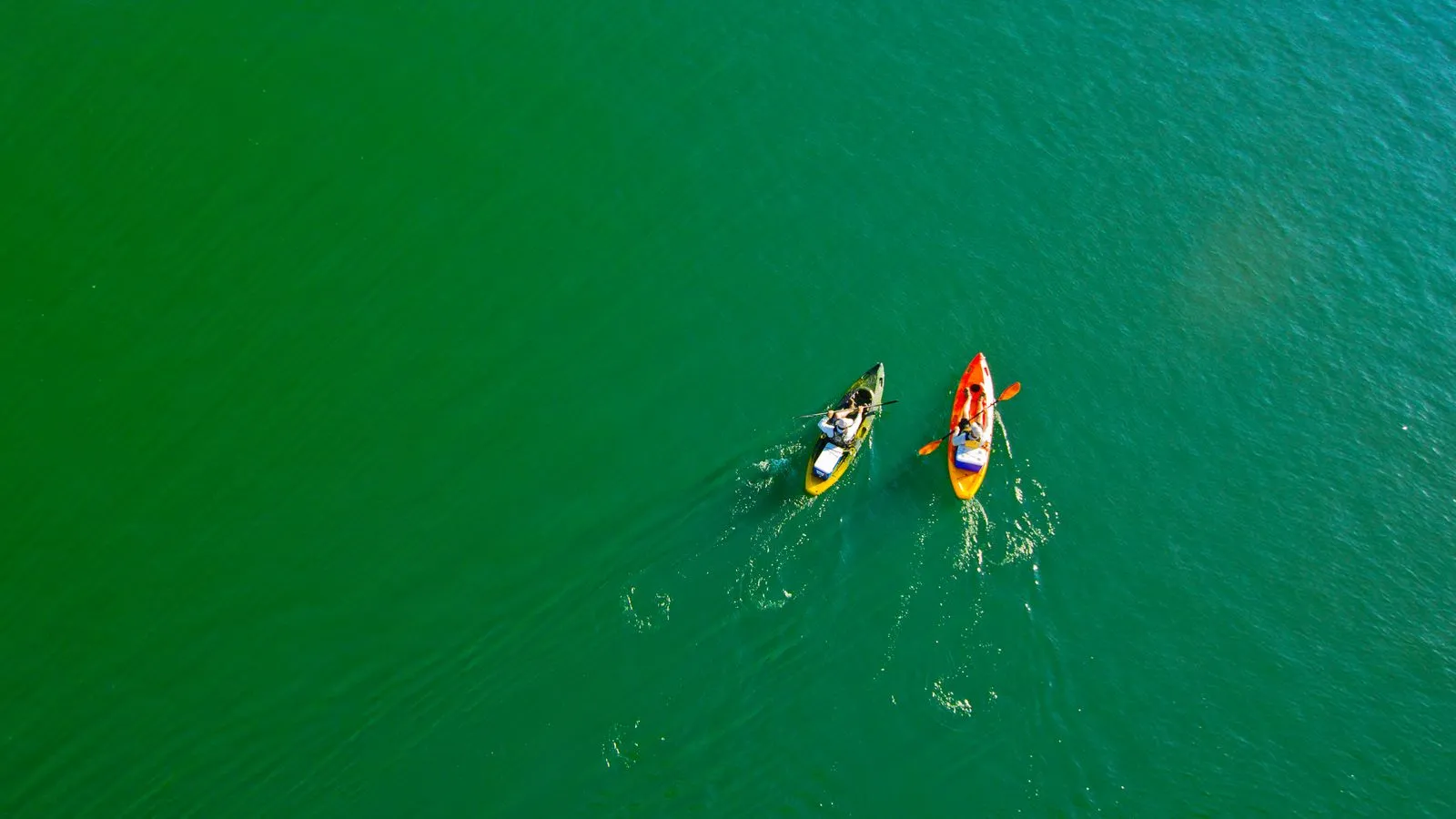
The right kayak route is not necessarily the longest or most scenic one. It is the route that fits your comfort on the water, the time you have, and what you hope to see along the way. In the Wilmington area, conditions and wildlife can vary by waterway and season, so it helps to plan with a guide who knows the local routes. Use these factors to narrow your choices and ask useful questions before booking.
Start With Your Paddling Experience
Be honest about how much time you have spent kayaking, not just whether you have tried it before. Consider how comfortable you are steering, keeping a steady pace, and paddling in wind or current. If you are new, look for a beginner-friendly route with sheltered water, a manageable distance, and opportunities to pause. A guide can help assess what is suitable for your group.
For experienced paddlers, ask whether a route includes longer open stretches, changing conditions, or more distance. Experience does not remove the need to check the day’s forecast and water conditions. If anyone in your group has mobility concerns, limited stamina, or feels uneasy on the water, mention that when booking so the route and pace can be discussed.
Fit the Route to Your Schedule
A tour’s total time includes more than paddling. Plan for check-in, safety instructions, getting in and out of the kayak, and breaks along the way. Ask how much time participants typically spend actively paddling and whether the advertised duration includes preparation. This makes it easier to choose a trip that fits your day without rushing to another commitment.
Shorter outings can work well for first-time paddlers, families, or travelers with limited time. A longer trip may allow more time to explore and pause, but it also calls for more stamina and flexibility. Leave room in your schedule for changing weather or a slower group pace, and confirm what happens if conditions require a route adjustment.
Choose What You Hope to See
Think about what makes a trip meaningful to you: birds, marsh scenery, quiet waterways, or simply time outdoors. Different routes pass through different habitats, and wildlife sightings are never guaranteed. Ask a guide which areas suit your interests and what visitors might reasonably encounter during the season of your trip.
If wildlife viewing is a priority, choose a route that allows time to move quietly and observe from a respectful distance. Avoid expecting close encounters or asking a guide to approach animals. Bring binoculars only if you can secure them safely, and follow instructions about where to paddle and when to pause. The setting itself can be rewarding, even when animals stay out of sight.
Check Conditions and Group Needs
A route that sounds ideal on paper may not be right on the day. Wind, rain, temperature, tides, and current can affect comfort and safety. Ask how the guide checks conditions and whether they may change the launch location, route, or timing. Follow the guide’s advice, and choose a provider that explains safety expectations before you head out.
For a group, consider the least experienced or least comfortable paddler when choosing a route. Ask about kayak types, life jackets, age or ability requirements, and whether the guide can keep the group together. Cape Fear Paddle can help guests discuss route fit before booking; share your experience level, time limits, and wildlife interests when you get in touch.
Choose a route by balancing your paddling comfort, available time, wildlife interests, and the conditions on the day. Ask clear questions before booking, and be open to a guide’s recommendation if another route better suits your group. With a realistic plan, you can focus on enjoying the water. Contact a local guide to talk through your options.